

Residential Community Standards Expand to Include Waste Container Hygiene
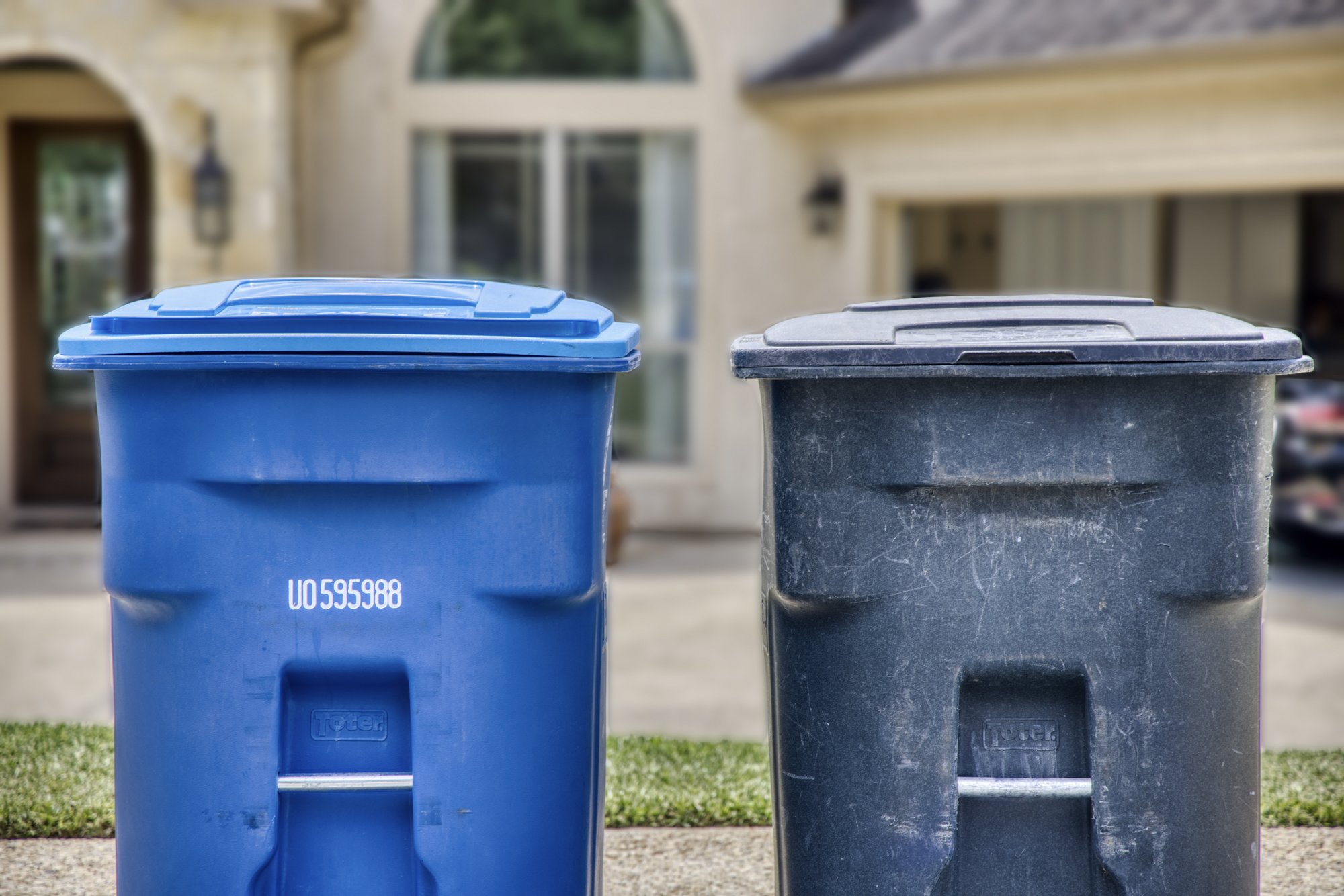
Residential trash and recycling bins positioned in a neighborhood setting, highlighting waste container conditions within managed communities.
HOAs and property management companies are placing greater emphasis on waste container hygiene as part of broader community sanitation and maintenance standards
SAN ANTONIO, TX, UNITED STATES, February 19, 2026 /EINPresswire.com/ -- Residential community standards are evolving as homeowners associations (HOAs) and property management companies place increased focus on waste container hygiene as part of broader sanitation and maintenance responsibilities. While municipal waste systems continue to manage collection and disposal, attention is shifting toward the condition of waste containers themselves and their impact on shared residential environments.
Historically, community sanitation efforts within managed residential properties have centered on landscaping, exterior maintenance, and common area cleanliness. Waste management was largely viewed as a logistical function handled by municipal services, with responsibility ending once trash was removed from the curb or dumpster area. However, many HOAs and property managers are reevaluating this approach as sanitation expectations rise.
Residential trash and recycling containers are often high-use surfaces exposed to organic waste, heat, and moisture. Over time, residue can accumulate inside containers, creating persistent odors and attracting pests. In managed communities where containers are stored in shared spaces or near residences, these conditions can affect overall community appearance and resident satisfaction.
As a result, waste container hygiene is increasingly being discussed alongside other routine maintenance considerations. Industry guidance around homeowners association maintenance standards and common area maintenance requirements has expanded to include sanitation elements that were previously overlooked.
Property management companies are responding to this shift by incorporating waste container cleanliness into broader operational planning. This includes evaluating how sanitation practices align with existing property management sanitation practices and evolving expectations for shared residential environments.
In many cases, municipalities remain responsible for municipal waste collection services, but container cleaning and sanitation fall outside their scope. This division of responsibility has prompted managed communities to explore supplemental solutions that address sanitation needs without altering existing waste collection arrangements.
Local environmental service providers have emerged to support these efforts, offering specialized services designed to complement municipal systems. These services focus on residential waste container sanitation using controlled processes intended to reduce runoff and minimize environmental impact.
Texas Scrub Hub is one such provider operating in South Texas. As a women-owned environmental service business, the company works with residential communities, HOAs, and property managers to address sanitation needs related to waste containers and shared waste areas. According to the company, interest from managed communities has increased as sanitation standards become a more visible component of community management discussions.
“Waste container hygiene is increasingly viewed as part of overall community maintenance,”.
This shift reflects a broader understanding of how sanitation affects community living. Clean waste areas can help reduce odor complaints, discourage pests, and contribute to consistent neighborhood appearance and evolving community cleanliness standards. For HOAs, these factors are often closely tied to resident satisfaction and long-term property value considerations.
Environmental considerations also play a role in how communities approach sanitation. Many professional cleaning services operate using controlled water systems and environmentally responsible methods designed to limit wastewater discharge. These approaches align with growing awareness around water conservation and environmental stewardship within managed residential settings.
From an operational perspective, incorporating waste container hygiene into community standards allows HOAs and property managers to address sanitation proactively rather than reactively. Rather than responding to complaints or seasonal issues, communities can establish consistent expectations around cleanliness as part of routine maintenance planning.
Industry observers note that this approach mirrors broader trends in property management, where preventative maintenance strategies are increasingly favored over reactive responses. As residential density increases and shared spaces become more common, sanitation practices are expected to continue evolving.
HOAs and property management companies are also balancing practical considerations such as cost, logistics, and resident communication. Clear guidelines and consistent sanitation practices help ensure that expectations are understood and applied uniformly across communities.
While waste container hygiene remains a developing focus area, its inclusion in community standards highlights a more comprehensive view of residential sanitation. Managed communities are recognizing that effective waste management extends beyond collection schedules and includes attention to the infrastructure that supports daily living.
As residential community standards continue to evolve, waste container hygiene is likely to remain part of ongoing discussions around cleanliness, environmental responsibility, and quality of life within HOA-governed and professionally managed properties.
About Texas Scrub Hub
Texas Scrub Hub is an environmental service business based in San Antonio, Texas. The company provides professional sanitation services for residential waste containers and commercial dumpsters, complementing municipal waste management systems at the local level.
Sacha Faxon
Texas Scrub Hub
+1 210-964-2467
https://texasscrubhub.com
Visit us on social media:
Instagram
Facebook
TikTok
Legal Disclaimer:
EIN Presswire provides this news content "as is" without warranty of any kind. We do not accept any responsibility or liability for the accuracy, content, images, videos, licenses, completeness, legality, or reliability of the information contained in this article. If you have any complaints or copyright issues related to this article, kindly contact the author above.
